
Eat Your Way to Balanced Blood Sugar
What you eat every day has a profound impact on how your body manages glucose. Our editorial team has curated an in-depth guide to the most effective, research-backed foods that support healthy blood sugar balance — all explained in plain, accessible language so you can make informed choices starting today.
Why Food Choices Matter for Glucose Balance
A growing body of nutritional research underlines the powerful connection between everyday food habits and how the body processes sugar. Here is what our editorial research consistently highlights.
Fiber Is Foundational
Dietary fiber found in whole foods slows the absorption of sugars into the bloodstream, helping maintain steady energy levels throughout the day rather than sharp spikes and crashes.
Glycemic Load Matters More Than Glycemic Index
Nutritional science shows that the total quantity of carbohydrates in a meal — not just their type — determines the actual glucose response. Understanding glycemic load helps build smarter, more effective meal plans.
Consistent Habits Yield Lasting Results
Nutritional experts agree that regularity and variety in food intake — not a single "superfood" — produce the most meaningful and sustained improvements in glucose management over time.
Top 9 Foods That Naturally Support Blood Sugar Balance
Each of these foods has been highlighted by nutritional researchers for its unique ability to support stable glucose levels. Incorporate them into your daily routine for a meaningful dietary difference.

Oats
Oats are rich in beta-glucan, a soluble fiber that forms a thick gel in the digestive tract and significantly slows the absorption of glucose into the bloodstream. Oats are a source of soluble fiber, which can be part of a diet that supports balanced post-meal glucose responses. oat consumption is associated with meaningfully improved post-meal glucose responses compared to refined grain alternatives. Start your morning with a bowl of rolled or steel-cut oats topped with cinnamon for maximum benefit.
Learn more
Leafy Greens
Spinach, kale, Swiss chard, and other dark leafy greens are remarkably low in digestible carbohydrates while being densely packed with magnesium — a mineral that plays a key role in glucose metabolism. Research suggests that populations with higher magnesium intake tend to maintain healthier blood sugar balance. These greens also deliver antioxidants that protect cells from the oxidative stress associated with elevated glucose environments.
Learn more
Cinnamon
Cinnamon contains bioactive compounds — most notably cinnamaldehyde — that appear to improve cellular sensitivity to insulin, allowing glucose to be transported out of the bloodstream more efficiently. Nutritional researchers have noted that even small daily amounts of Ceylon cinnamon (approximately half a teaspoon) can contribute to measurable improvements in fasting glucose readings over several weeks. Sprinkle it on oatmeal, yogurt, or herbal tea for a flavorful and functional addition.
Learn more
Legumes
Lentils, chickpeas, black beans, and kidney beans are among the most powerful blood-sugar-friendly foods available. Their unique combination of plant-based protein, soluble fiber, and resistant starch creates a triple-action effect: slowing digestion, feeding beneficial gut bacteria, and producing a low glycemic response despite their carbohydrate content. Including legumes in meals at least three times per week is a well-supported dietary habit for glucose balance.
Learn more
Fatty Fish
Salmon, mackerel, sardines, and herring are excellent sources of omega-3 fatty acids, which support healthy cell membrane function and have been linked to improved glucose uptake by muscle cells. Unlike carbohydrate-rich foods, fatty fish do not raise blood sugar at all, making them an ideal protein centerpiece for a glucose-conscious meal. Nutritionists recommend two to three servings of fatty fish per week as part of a balanced dietary strategy.
Learn more
Berries
Blueberries, strawberries, raspberries, and blackberries offer natural sweetness with a surprisingly low glycemic impact. They are rich in anthocyanins — plant pigments that research suggests can enhance the body's glucose processing and reduce post-meal sugar spikes. Their high fiber and water content further moderates how quickly their natural sugars enter the bloodstream, making them the ideal sweet snack or breakfast topping for blood sugar-conscious readers.
Learn more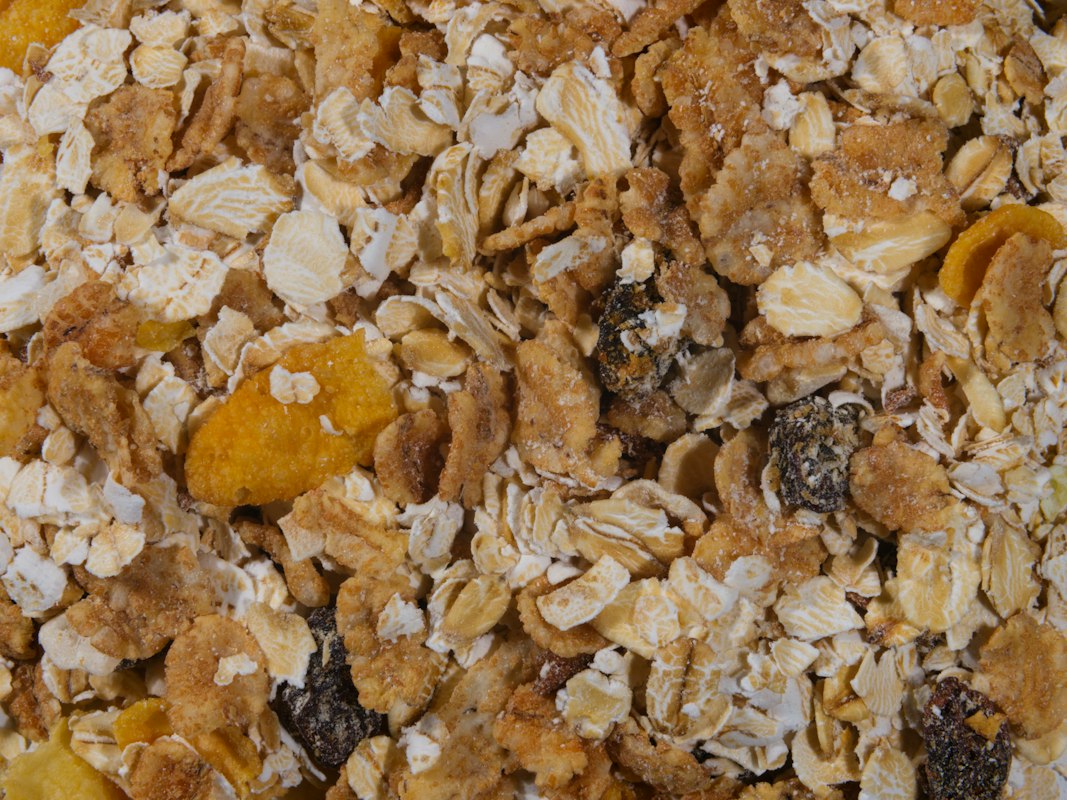
Nuts & Seeds
Almonds, walnuts, flaxseeds, and chia seeds are nutritional powerhouses that combine healthy fats, protein, and fiber — a trio that effectively blunts glucose absorption when eaten alongside higher-carbohydrate foods. Almonds in particular have been studied extensively; research shows that consuming them before a carbohydrate-rich meal can noticeably reduce the post-meal glucose response. A small handful as a snack or salad topping offers both satiety and metabolic benefit.
Learn more
Apple Cider Vinegar
Apple cider vinegar contains acetic acid, which has been shown in multiple small studies to slow the rate at which the stomach empties, thereby reducing the speed at which carbohydrates reach the small intestine and enter the bloodstream. Diluting one to two tablespoons in a large glass of water before a meal is a popular and well-documented practice among nutrition researchers exploring natural glucose management strategies. Its tart flavor also pairs well with salad dressings, making it easy to incorporate daily.
Learn more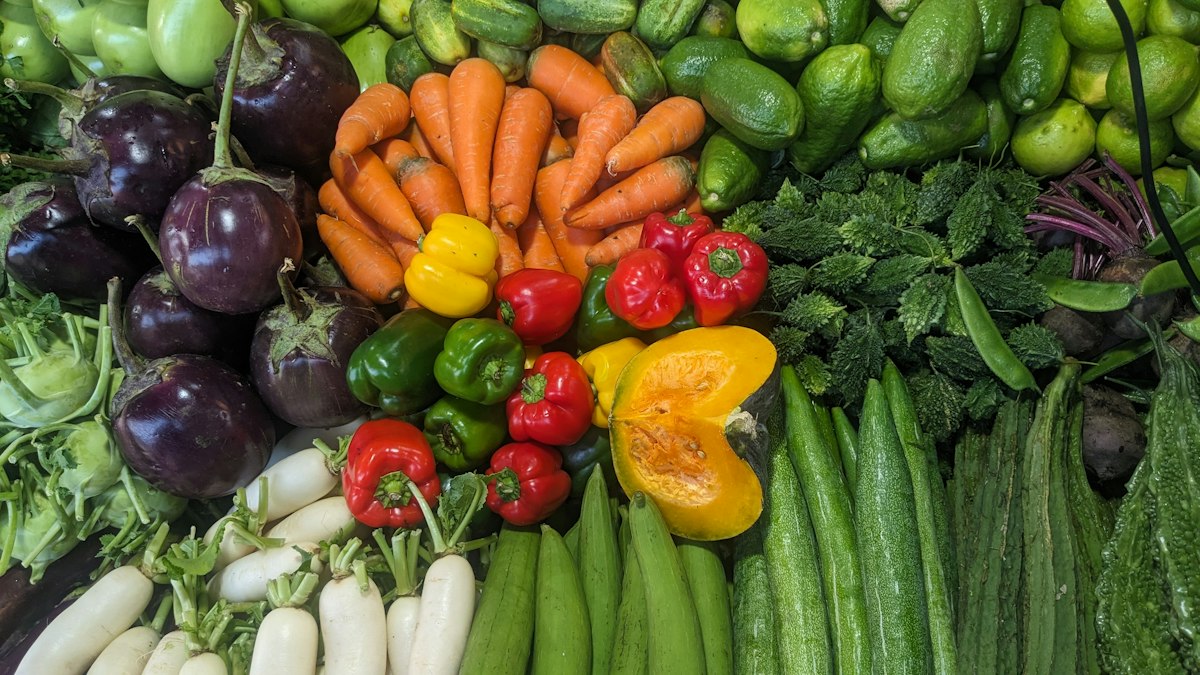
Avocado
Avocado is one of the few fruits that is naturally very low in sugar while being extraordinarily rich in monounsaturated fats and soluble fiber. This combination makes it an outstanding food for moderating blood glucose, as the fats slow gastric emptying while the fiber further buffers carbohydrate absorption from foods eaten at the same meal. Adding half an avocado to a salad, sandwich, or smoothie can meaningfully improve the overall glycemic profile of that meal.
Learn moreDiscover Even More Food Insights
Our editorial team regularly publishes in-depth food breakdowns, practical meal ideas, and expert nutritional analysis. Explore our full guide library and deepen your understanding of how everyday foods influence your energy and well-being.
Read Our Full GuidesHow Your Daily Diet Directly Shapes Glucose Levels
Every time you eat, your digestive system breaks down carbohydrates into glucose, which enters the bloodstream and triggers a hormonal response designed to restore balance. The composition of your meal — its fiber content, fat profile, protein ratio, and portion size — determines exactly how rapid and dramatic this glucose rise will be. A meal built around whole, minimally processed foods delivers its energy gradually, resulting in a smooth and stable glucose curve rather than a sharp spike.
The gut microbiome also plays a surprisingly significant role. When you regularly consume fiber-rich foods, you nourish beneficial bacterial species that produce short-chain fatty acids — compounds that research increasingly links to improved glucose regulation and reduced post-meal glucose variability. This means your food choices today are literally shaping the microbial ecosystem that will influence your body's metabolic responses tomorrow.
Equally important is meal timing. Eating at consistent intervals prevents the prolonged fasting periods that can cause the body to overcompensate with large glucose surges when food is finally consumed. Nutritional scientists often describe this as "glucose rhythm" — keeping meals spaced evenly and avoiding late-night heavy eating to support the body's natural circadian glucose regulation patterns.
Fiber Slows Absorption
Creates a gel that buffers glucose entry into the bloodstream
Protein Reduces Spikes
Activates hormones that moderate post-meal glucose response
Healthy Fats Stabilize
Slow gastric emptying and smooth glucose delivery over time
Consistent Meal Times
Support the body's natural circadian glucose regulation rhythm

3 Simple Steps to Add These Foods to Your Daily Life
You do not need to overhaul your entire diet overnight. Our editorial team recommends a gradual, sustainable approach that allows your palate, habits, and lifestyle to adjust naturally.
Start with One Meal
Begin by transforming just one meal per day — ideally breakfast — into a nutrient-dense powerhouse. Swap refined carbs for whole grains, add a handful of leafy greens, and choose a quality protein source. Once this feels natural, move to the next meal.
Build a Colour-Rich Plate
Aim to fill at least half your plate with vegetables and fruits of varying colours at every meal. Each colour represents unique phytonutrients — reds, oranges, purples, and greens all offer different protective compounds that work synergistically for optimal health.
Upgrade Your Fats
Replace processed vegetable oils and trans fats with healthy fat sources such as extra-virgin olive oil, avocados, walnuts, and fatty fish. Quality fats support brain function, hormone production, and absorption of fat-soluble vitamins A, D, E, and K.
Prioritise Protein at Every Meal
Protein is the building block of muscle, enzymes, and immune cells. Include a complete protein source — eggs, legumes, lean poultry, tofu, or Greek yoghurt — at every meal to support satiety, metabolic rate, and muscle preservation as you age.
Reduce Ultra-Processed Foods
Ultra-processed foods are engineered to override your natural hunger signals and often contain hidden sugars, artificial additives, and low-quality fats. Gradually replacing them with whole-food alternatives resets your palate and reduces chronic inflammation markers over time.
Hydrate Intentionally
Water is involved in every metabolic process in your body. Aim for at least 8 cups (2 litres) per day, more if you are active or in a warm climate. Herbal teas, sparkling water, and water-rich foods like cucumbers and melons all contribute to your daily intake.