
Top Foods to Support Healthy Blood Sugar Levels
Discover which everyday foods can help your body maintain balanced glucose levels. Our editorial team at Potencynutrientinfo has compiled the most thoroughly researched, nutrient-dense options backed by leading nutritional science — all in one easy-to-browse guide.
Why Your Diet Matters for Blood Sugar
Understanding how food choices influence glucose balance is one of the most impactful steps toward long-term well-being. Here is what the research consistently highlights.
Widespread Dietary Impact
A growing number of nutrition researchers worldwide now agree that dietary patterns play a pivotal role in how the body regulates glucose throughout the day. Small, consistent food choices accumulate into measurable long-term results.
Science-Backed Insights
Peer-reviewed nutritional studies consistently show that certain whole foods — rich in fiber, antioxidants, and healthy fats — support the body's natural glucose management mechanisms more effectively than most people realize.
Relevant for French Readers
In France, dietary awareness has surged in recent years, with many people actively seeking reliable information about nutrient-rich foods. Our content is curated with accessible, locally available ingredients in mind.
Looking for Detailed Food Guides?
Explore our full library of evidence-based nutritional articles, ingredient breakdowns, and practical meal ideas.
Explore Our GuidesThe Best Foods for Balanced Blood Sugar
Each of the foods listed below has been highlighted in nutritional literature for its ability to support healthy glucose regulation. Browse them to understand what makes each one uniquely beneficial.
 Vegetables
Leafy Green Vegetables
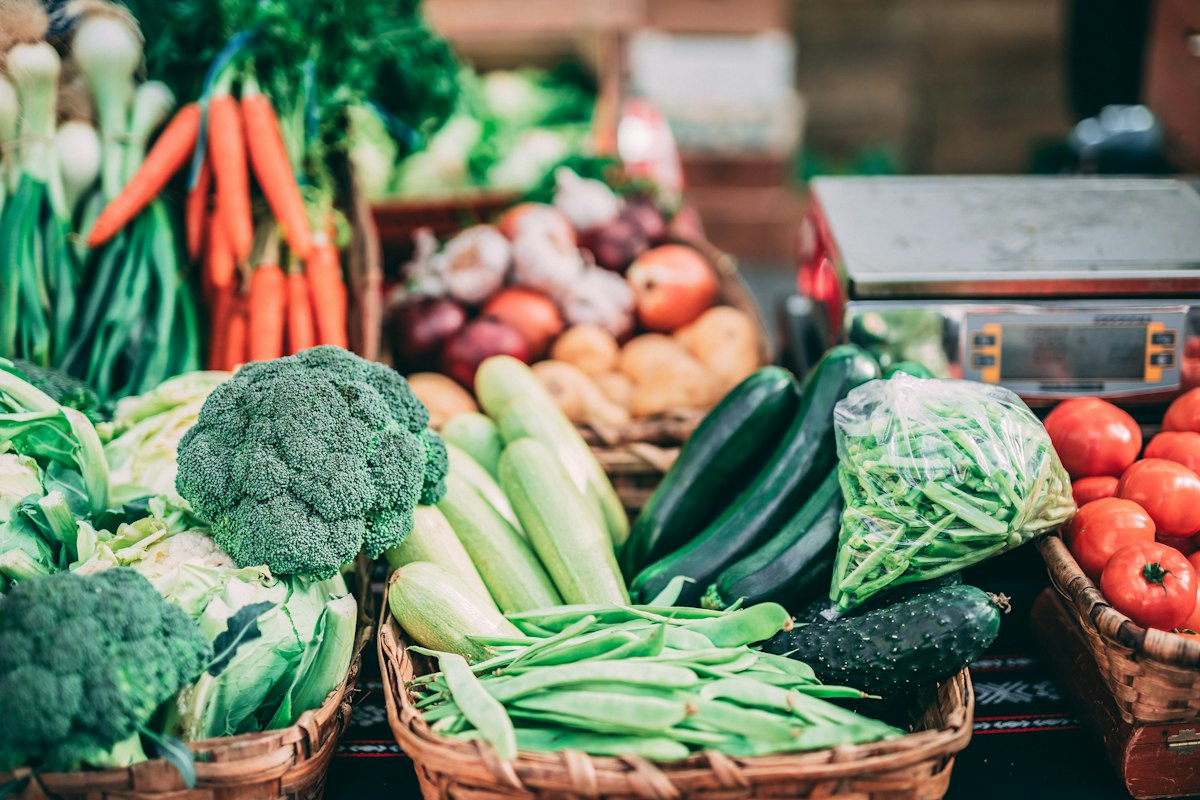
Spinach, kale, Swiss chard, and arugula are exceptionally low in digestible carbohydrates and high in magnesium — a mineral strongly associated with improved glucose metabolism. Their rich fiber content slows digestion and blunts post-meal glucose spikes. Regular consumption of leafy greens is one of the most consistent dietary recommendations found in nutritional research.
 Fruits & Berries
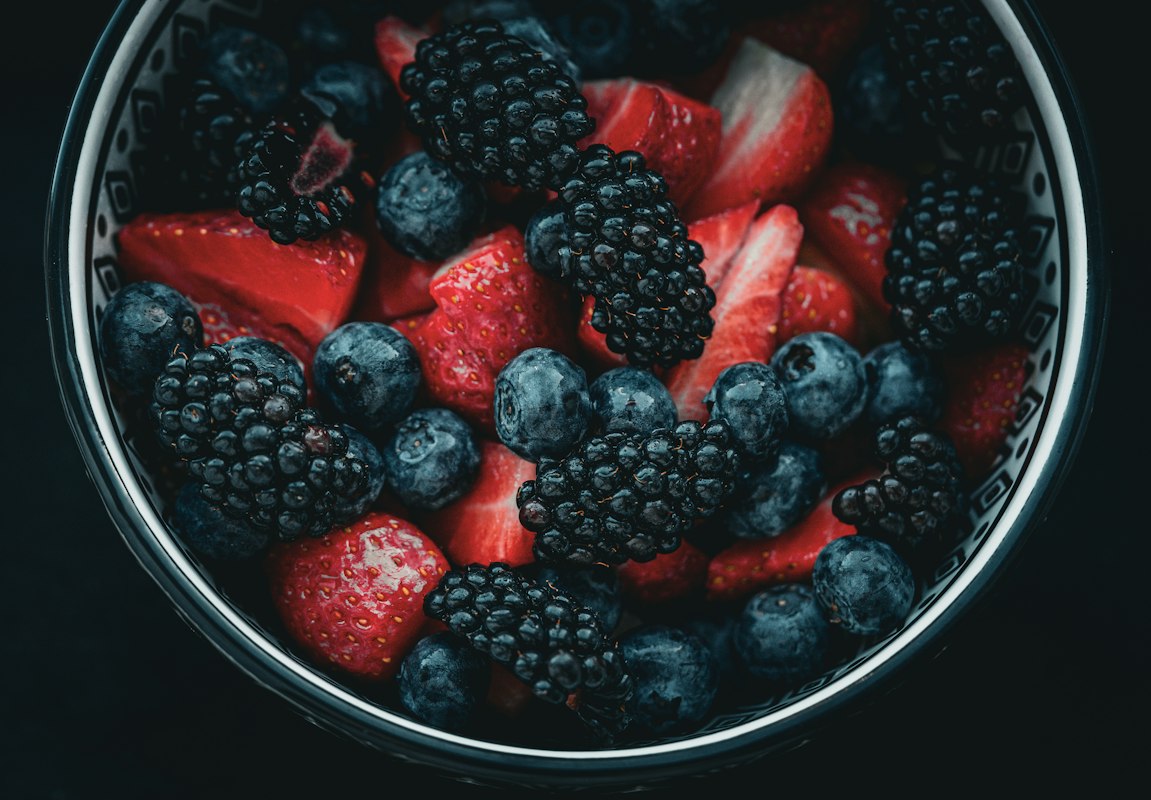
Blueberries & Mixed Berries
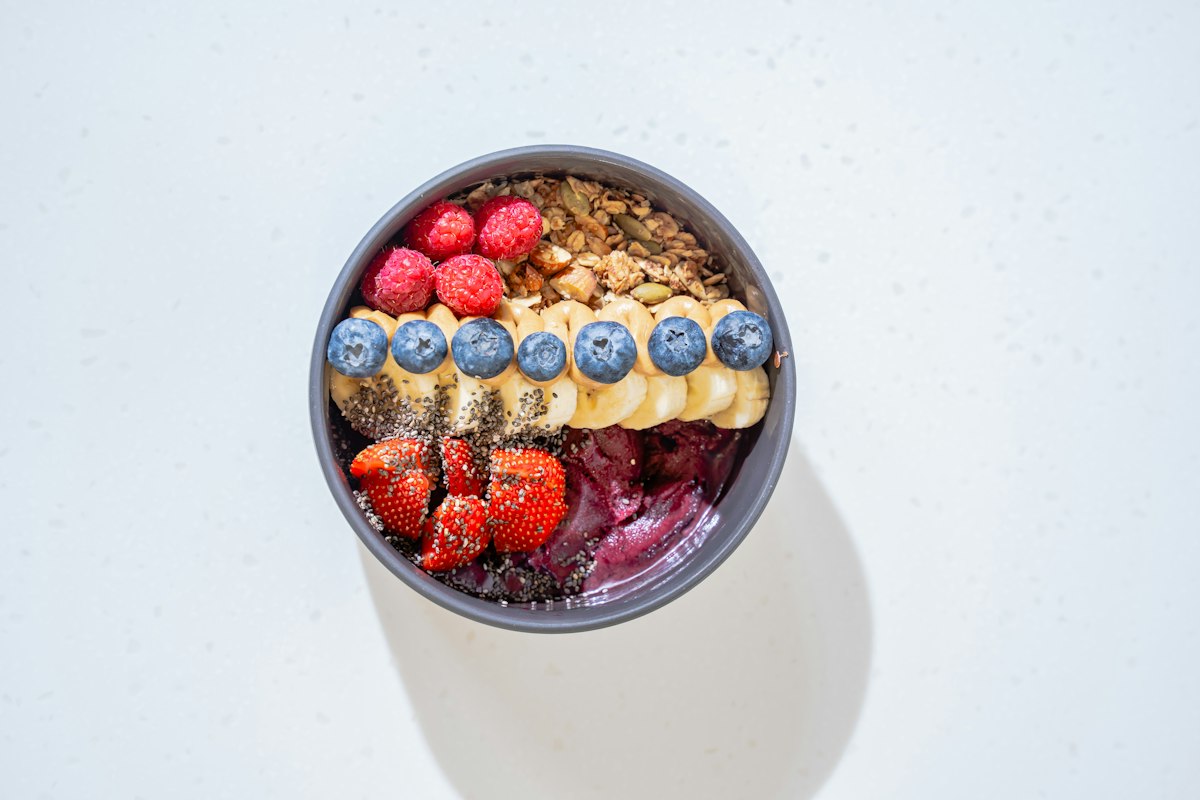
Blueberries, strawberries, and raspberries are among the most antioxidant-dense fruits available, with a relatively modest impact on blood glucose compared to other sweet foods. They contain anthocyanins — plant pigments shown in research to improve insulin sensitivity. Their natural sweetness satisfies cravings while delivering beneficial polyphenols that support metabolic health.
 Grains & Legumes
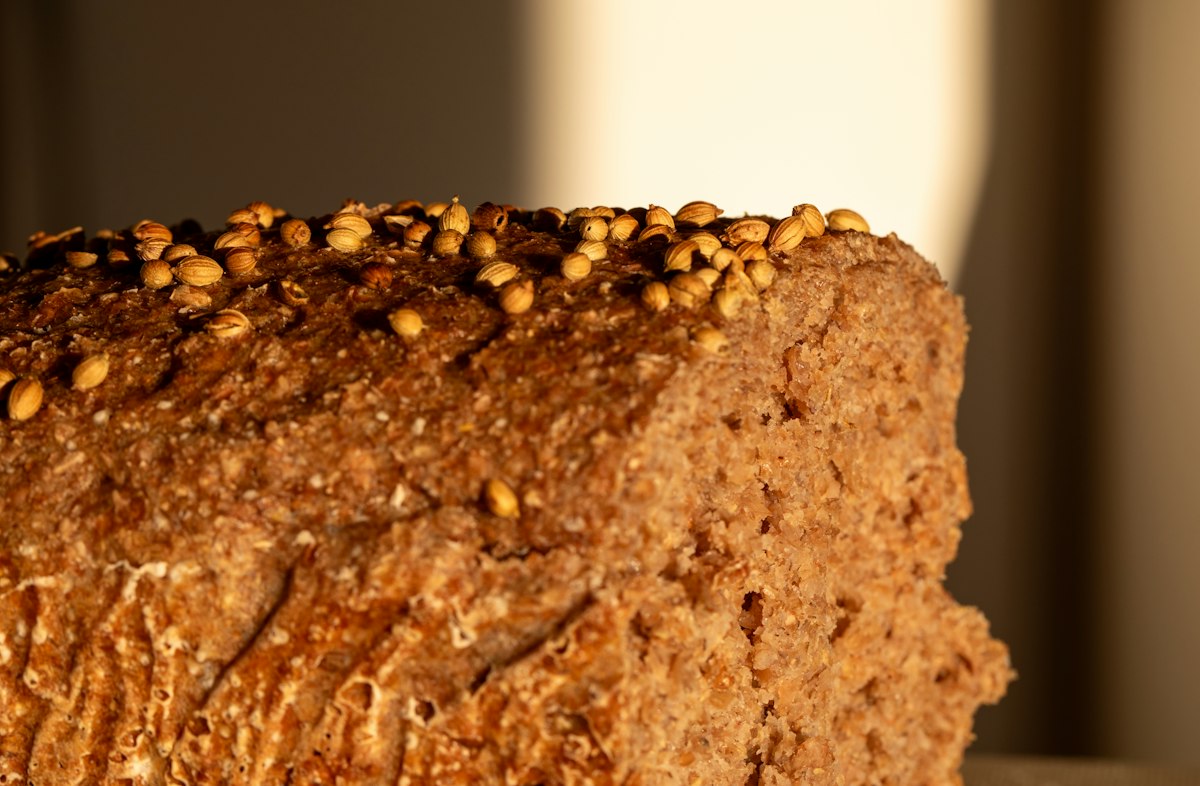
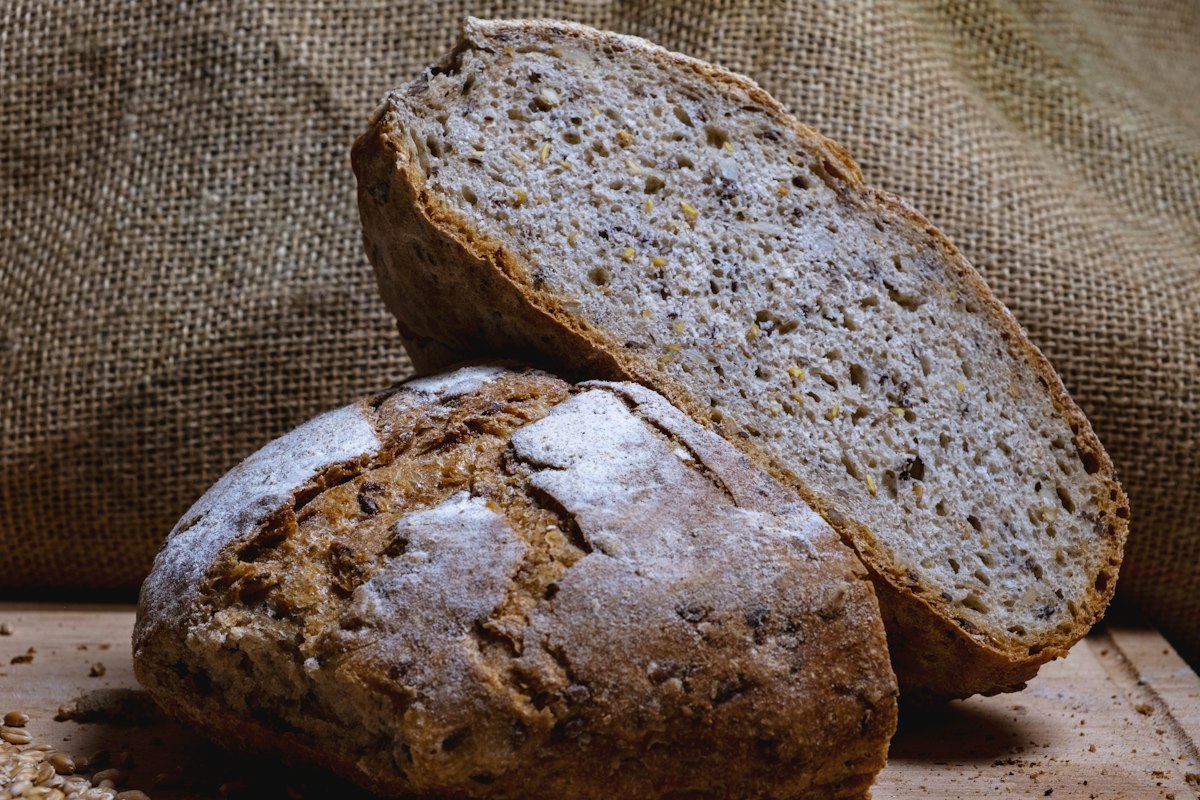
Oats & Whole Grains
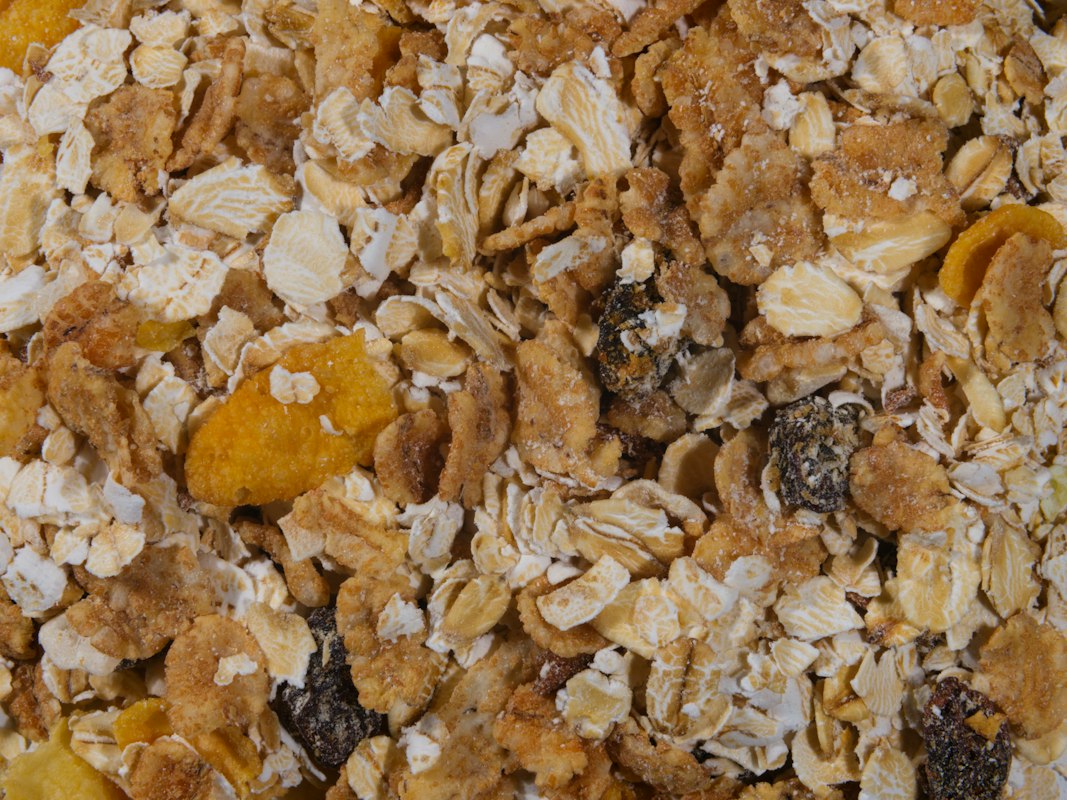
Whole rolled oats contain beta-glucan, a soluble fiber that forms a viscous gel in the digestive tract, significantly slowing glucose absorption into the bloodstream. This results in a gradual, steady energy release rather than sharp sugar spikes. Studies show that regular oat consumption is associated with more consistent blood glucose readings throughout the day.
 Grains & Legumes
Lentils & Legumes
Lentils, chickpeas, black beans, and kidney beans are nutritional powerhouses that combine protein, complex carbohydrates, and substantial fiber in every serving. This combination creates a low glycemic load, meaning blood glucose rises slowly and steadily after eating. Legumes are also excellent sources of plant-based protein, making them a cornerstone food in metabolically supportive diets across European nutritional guidelines.
 Nuts & Seeds
Almonds, Walnuts & Chia Seeds
Almonds and walnuts contain healthy unsaturated fats, magnesium, and fiber that work together to reduce the glycemic impact of meals when eaten alongside carbohydrates. Chia seeds are particularly remarkable for their ability to absorb many times their weight in water, forming a gel that substantially slows carbohydrate digestion. All three are easy to incorporate into breakfasts, salads, or as standalone snacks.
 Herbs & Spices
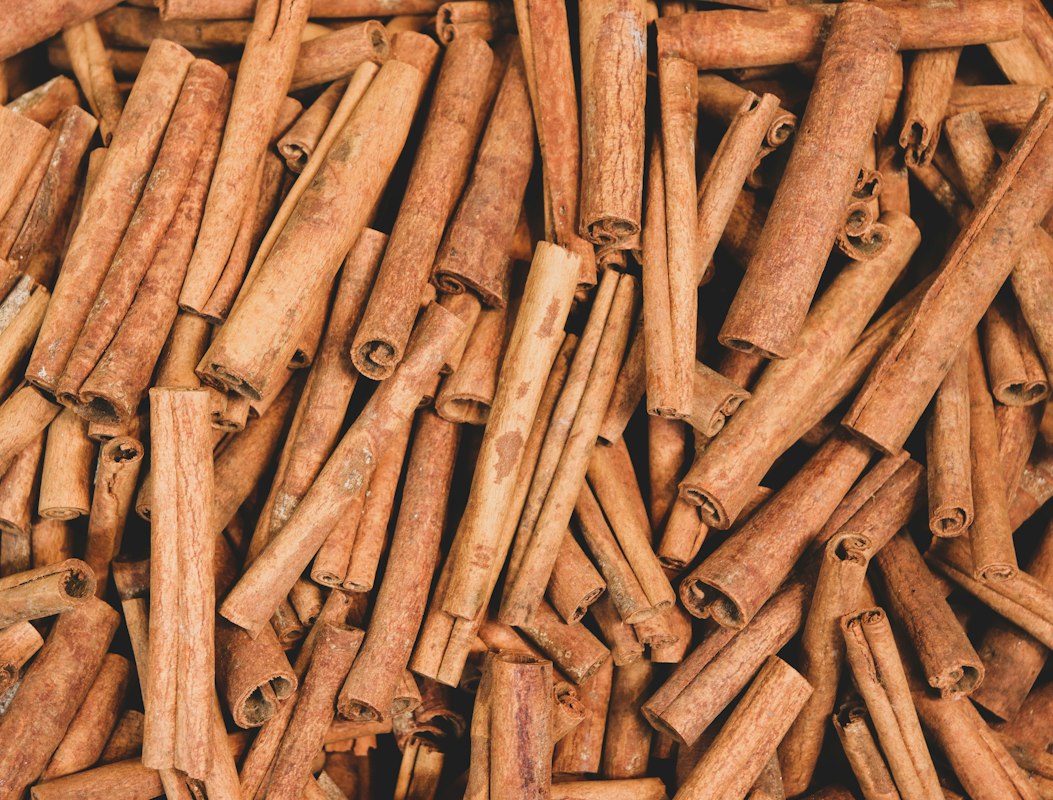
Cinnamon & Fenugreek
Cinnamon is one of the most studied spices in glucose research, with several trials suggesting that small daily amounts may improve cellular sensitivity to insulin. Fenugreek seeds contain soluble fiber and compounds called trigonelline and 4-hydroxyisoleucine, which have been noted for their potential to support healthy post-meal glucose responses. Both spices are versatile kitchen staples easily added to meals, smoothies, or teas.
 Vegetables
Avocado
Avocado is unique among fruits and vegetables for its exceptionally high monounsaturated fat content combined with virtually no sugar. Adding avocado to a meal has been shown in several studies to reduce the overall glycemic response by slowing gastric emptying. It also provides potassium, which supports healthy blood pressure, and soluble fiber, further contributing to smoother glucose regulation after eating.
 Fermented Foods
Apple Cider Vinegar & Fermented Foods
Apple cider vinegar taken before or during a meal containing carbohydrates has consistently shown the ability to reduce post-meal blood glucose in several small human trials. The acetic acid it contains appears to interfere with starch digestion enzymes, slowing glucose absorption. Fermented foods such as plain yogurt, kefir, and sauerkraut additionally support gut microbiome diversity, which emerging research links closely to glucose regulation.
 Proteins
Fatty Fish & Lean Proteins
Salmon, mackerel, sardines, and other fatty fish contain virtually no carbohydrates and are rich in omega-3 fatty acids, which support cellular membrane health and help reduce low-grade inflammation associated with impaired glucose regulation. Consuming adequate protein at each meal also slows digestion, reduces appetite, and blunts the glycemic response to carbohydrates eaten in the same sitting. These proteins are staples of the heart-healthy Mediterranean dietary pattern.
Almonds, Walnuts, Chia Seeds & Flaxseeds
Nuts and seeds are nutritional powerhouses for blood sugar management. They deliver a blend of healthy fats, plant protein, and dietary fiber — the trifecta that slows glucose absorption and reduces post-meal spikes. Almonds have been shown in clinical studies to significantly lower fasting blood glucose and HbA1c when consumed regularly. Walnuts are particularly rich in alpha-linolenic acid (ALA), a plant-based omega-3 that supports vascular function and insulin sensitivity. Chia seeds form a gel-like matrix in the digestive tract due to their exceptional soluble fiber content, dramatically slowing carbohydrate digestion. Flaxseeds provide lignans — phytoestrogens with antioxidant properties — along with soluble fiber and ALA. A small handful of nuts or a tablespoon of chia or flaxseeds added to yogurt, smoothies, or oatmeal can make a measurable difference in daily glycemic control.
Apple Cider Vinegar
Apple cider vinegar (ACV) has garnered significant scientific attention for its notable effects on blood glucose. The primary active compound, acetic acid, inhibits certain digestive enzymes that break down complex carbohydrates, thereby slowing glucose entry into the bloodstream. Multiple human studies have demonstrated that consuming 1–2 tablespoons of ACV before a high-carbohydrate meal can reduce post-meal blood sugar by up to 20%. Some research also suggests ACV may improve insulin sensitivity in people with insulin resistance. It can be diluted in water and consumed before meals, used as a salad dressing, or incorporated into marinades. While not a substitute for medical treatment, ACV is a practical, evidence-based tool that complements a blood sugar–supporting diet when used consistently and safely.