
Top Foods That Naturally Support Healthy Blood Sugar Levels
Discover how everyday foods can play a powerful role in keeping your blood glucose balanced. Our editorial team has gathered the most up-to-date nutritional knowledge to help you make smarter choices at every meal — starting today.
Why Blood Sugar Balance Matters
Understanding how food affects your glucose levels is one of the most impactful things you can do for your long-term well-being.
A Growing Global Concern
Blood sugar imbalance affects a vast and rapidly increasing number of adults worldwide, making dietary awareness more essential than ever before.
Diet Is a Powerful Lever
Nutrition experts consistently highlight that dietary changes are among the most effective and accessible approaches to maintaining healthy glucose balance over time.
Long-Term Impact
Consistently choosing the right foods over the long term has been widely linked by researchers to improved energy, better metabolic function, and greater overall vitality.
6 Foods Linked to Lower Blood Sugar Levels
Our editorial research team has compiled the most nutrient-rich foods that nutritional science consistently associates with healthier glucose management.

Leafy Greens
Spinach, kale, and Swiss chard are packed with magnesium, a mineral that plays a key role in how your body processes glucose. These low-calorie, high-fiber vegetables have a minimal effect on blood sugar while delivering dense nutrition per serving. Including them daily in salads, soups, or smoothies is one of the simplest dietary adjustments you can make.
Read more
Cinnamon
Cinnamon contains bioactive compounds that mimic the effect of certain metabolic processes, helping cells respond more effectively to glucose. Even small amounts stirred into oatmeal, yogurt, or herbal tea have been noted in nutritional literature for their beneficial properties. Ceylon cinnamon, in particular, is frequently cited by researchers as the most beneficial variety for regular use.
Read more
Legumes
Lentils, chickpeas, and black beans are among the most glycemically friendly foods available. Their high fiber and protein content slows the absorption of carbohydrates, resulting in a much gentler rise in blood sugar compared to refined grains. Replacing pasta or rice with legumes even a few times per week can have a measurable effect on how your body handles meals.
Read more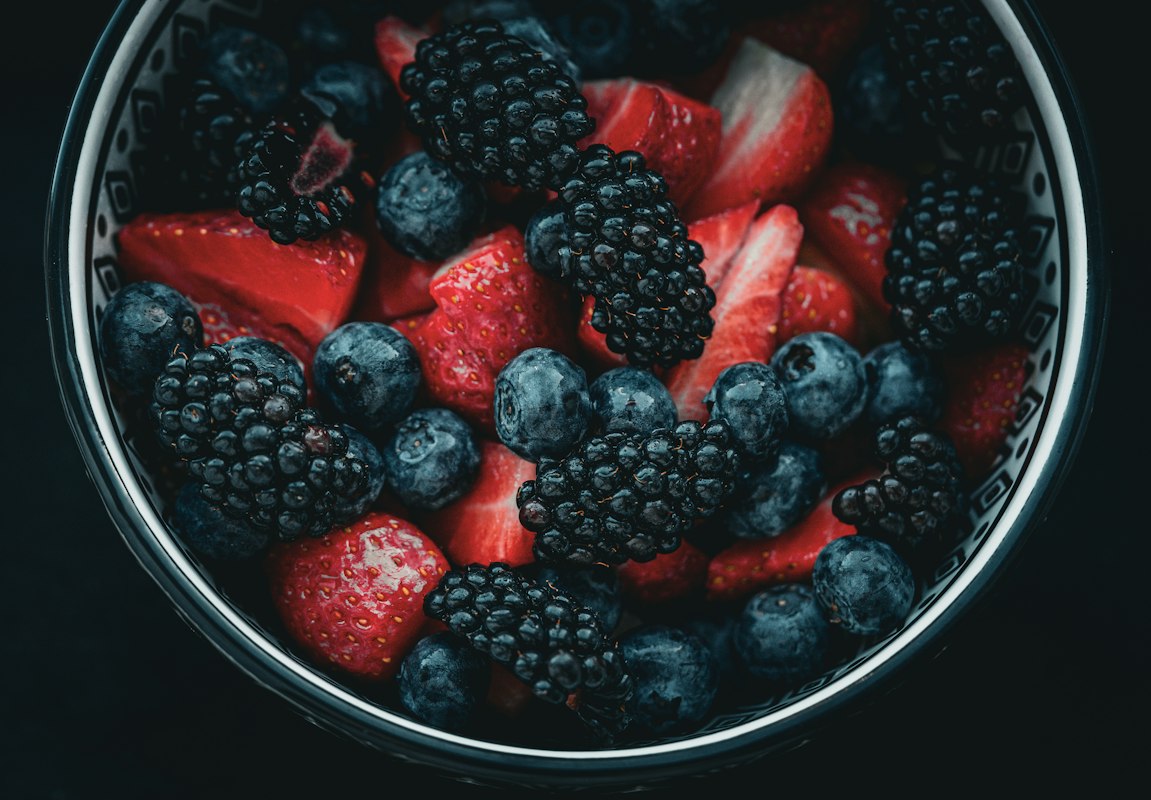
Fatty Fish
Salmon, mackerel, and sardines are rich in omega-3 fatty acids, which support healthy cell membrane function and improve how tissues respond to glucose. Because they contain virtually no carbohydrates, they do not directly raise blood sugar, making them an excellent protein source for any balanced meal plan. Nutritionists often recommend including fatty fish several times per week.
Read more
Nuts & Seeds
Almonds, walnuts, flaxseeds, and chia seeds provide a balanced combination of healthy fats, fiber, and plant-based protein that collectively slow digestion and moderate the post-meal glucose response. Studies in nutritional science consistently highlight almonds in particular for their role in reducing spikes after carbohydrate-heavy meals. A small handful as a snack is a practical and satisfying choice.
Read more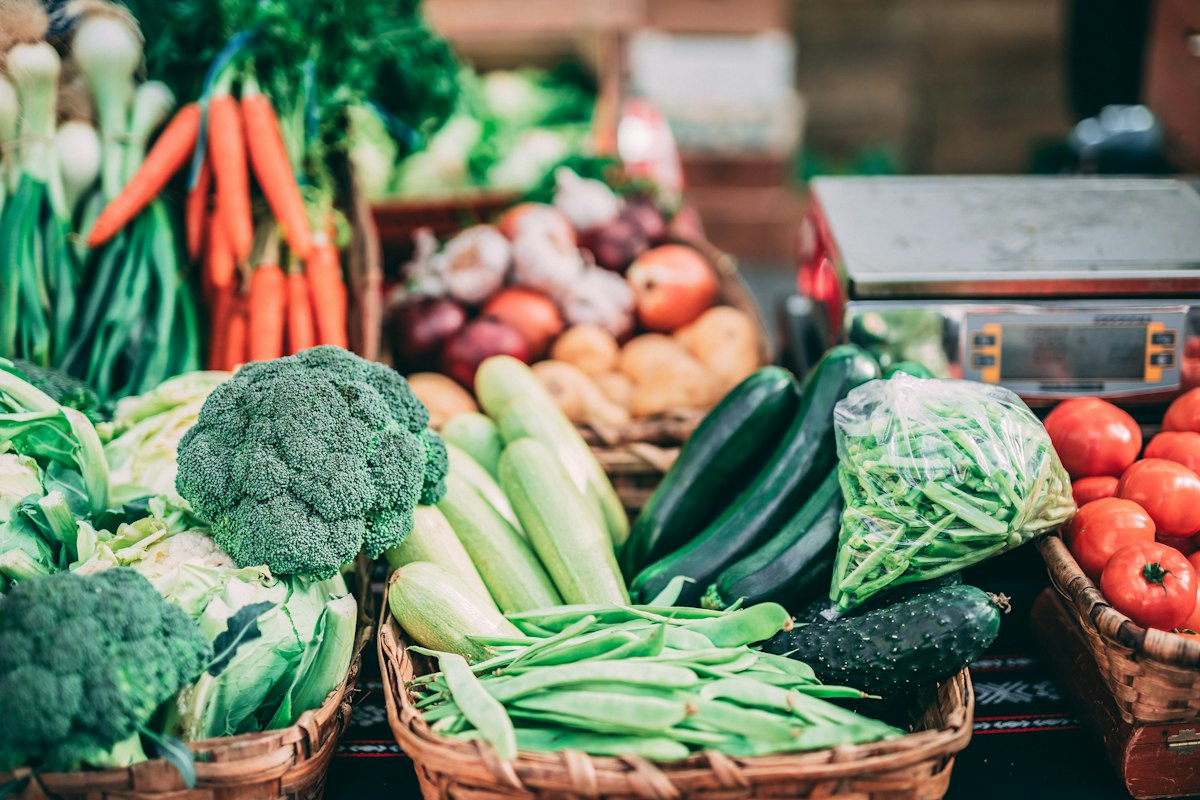
Berries
Blueberries, strawberries, and raspberries are rich in polyphenols and anthocyanins — compounds that nutritional researchers associate with improved glucose metabolism and reduced oxidative stress. Despite their natural sweetness, berries have a relatively low glycemic index compared to other fruits, making them a smart dessert alternative or breakfast addition. Their fiber content also contributes to slower sugar absorption.
Read moreGet Our Free Blood Sugar Food Guide
Our editorial team has compiled a comprehensive, easy-to-follow guide to the best foods for supporting healthy blood sugar balance. No fluff, no products — just well-researched nutritional knowledge, available to all readers at no cost.
Download the Free GuideHow These Foods Balance Glucose Inside Your Body
When you eat carbohydrates, your digestive system breaks them down into glucose, which then enters your bloodstream. The speed of this process largely determines how sharp the rise in blood sugar will be. Foods that are high in dietary fiber, healthy fats, or protein naturally slow this digestive process — giving your body more time to manage the incoming glucose efficiently and without sudden spikes.
Certain foods go further by containing specific compounds that appear to improve how the body's cells recognize and absorb glucose. Polyphenols found in cinnamon and berries, for example, have been widely studied for their role in modulating metabolic activity. Magnesium-rich greens support enzyme functions that are directly involved in glucose regulation at the cellular level.
Importantly, the overall composition of a meal matters as much as individual foods. Pairing a carbohydrate with healthy fats and protein — as seen in a salmon salad with leafy greens and almonds — creates a much gentler glycemic response than eating any one food in isolation. This is why our editorial guides always focus on whole-meal patterns rather than single superfoods.
Explore our full nutritional guides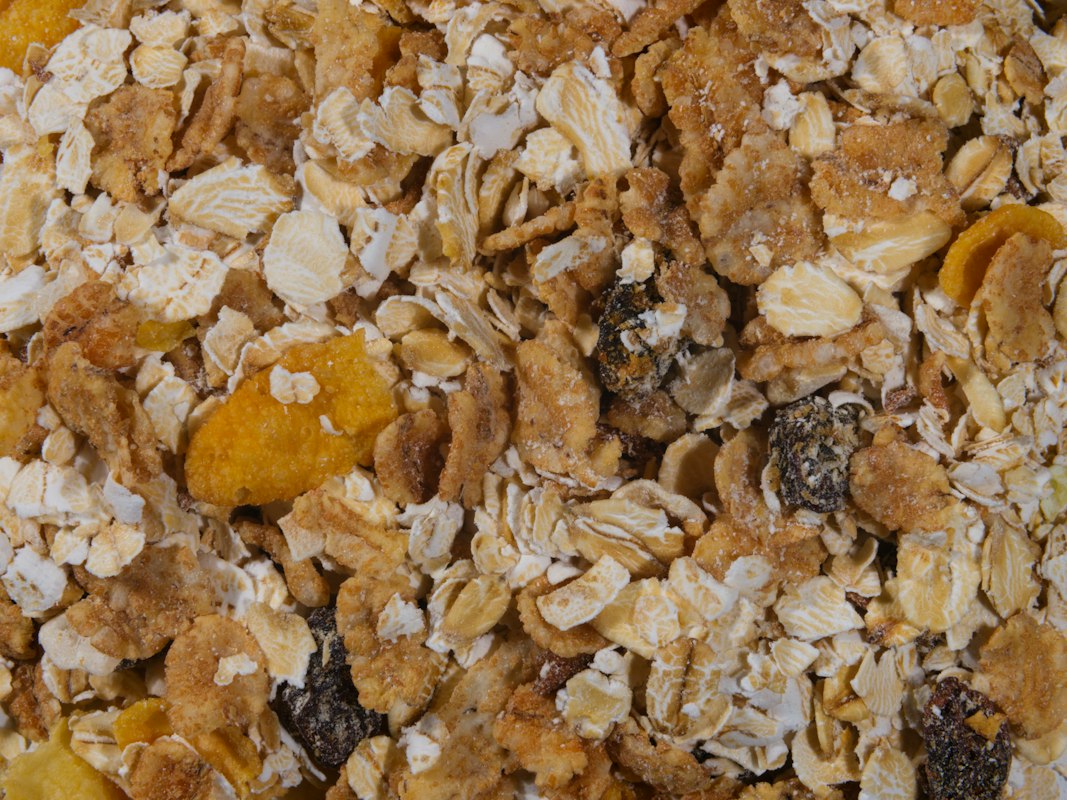
A Simple 3-Step Daily Routine to Support Balanced Blood Sugar
You don't need a complicated regimen. These three consistent daily habits, backed by nutritional research, can make a meaningful difference in how your body manages glucose throughout the day.
Start Every Morning with a Fiber-Rich, Low-GI Breakfast
The first meal of the day sets the metabolic tone for everything that follows. Choose oats with cinnamon and berries, or a spinach-based egg scramble with flaxseeds on the side. Avoid sugary cereals, white bread, or fruit juices, which cause rapid glucose spikes. A protein-and-fiber-forward morning meal helps stabilize energy levels and reduces cravings throughout the day, making healthier choices easier to sustain at lunch and dinner.
Build Every Main Meal Around the "Glucose Trio" Principle
Nutritional researchers refer to the combination of non-starchy vegetables, lean or plant-based protein, and healthy fats as a framework that consistently supports stable blood glucose. Fill half your plate with leafy greens or cruciferous vegetables, one quarter with legumes or fatty fish, and the remaining quarter with a whole grain or root vegetable. This approach makes it natural to include the most beneficial foods without needing to count or calculate anything — portion balance does the work for you.
Choose Nuts, Seeds, or Berries as Your Default Snack
Snacking habits are one of the most overlooked contributors to blood sugar variability. Swapping biscuits, crisps, or sweets for a handful of almonds, a small bowl of mixed berries, or chia pudding transforms snack time from a glucose spike into a stabilizing moment. Keep portable snack portions prepared in advance so that when hunger strikes, the path of least resistance already leads to the most beneficial choice — without willpower or decision fatigue entering the equation.
Common Questions About Blood Sugar and Food Choices
Our editorial team answers the most frequently submitted questions from readers exploring nutritional approaches to blood sugar management.
There is no single "miracle" food, and our editorial team is careful to avoid overstating any one item. That said, nutritional literature frequently highlights leafy greens and legumes as having the broadest and most consistent positive effects on glucose balance, primarily because of their combination of fiber, micronutrients, and low glycemic index. Cinnamon is also frequently discussed for its unique bioactive compounds. The most reliable approach remains a varied diet built around multiple beneficial foods rather than focusing on any one item in isolation.
Nutritional researchers note that some effects — particularly the blunting of post-meal glucose spikes — can be observed relatively quickly when the right foods are combined in the right meal structure. For example, adding almonds or leafy greens to a carbohydrate-heavy meal may produce a noticeably different energy pattern the same day. Longer-term improvements in overall glucose balance, however, develop over weeks and months of consistent dietary habit. Our editorial guides are designed to support both immediate practical changes and sustained long-term habits.
Whole fruits, including most berries, contain natural sugars alongside fiber, water, and polyphenols — a combination that significantly slows absorption and mitigates sharp glucose responses. This is very different from fruit juice, where fiber is largely absent and sugar concentration is much higher. Nutritionists generally consider low-glycemic whole fruits like berries, cherries, and apples to be beneficial components of a balanced approach to blood sugar management. High-sugar tropical fruits like mangoes or ripe bananas are best enjoyed in moderation and ideally paired with protein or fat.
Potencynutrientinfo is an editorial and informational platform. All content published here is intended for general educational purposes based on publicly available nutritional research. We do not provide personalized health guidance, and nothing on this site should be interpreted as a substitute for professional advice. Our role is to make reliable, well-researched nutritional information accessible to a wide readership, empowering readers to have more informed conversations with qualified professionals about their own dietary choices.
Nutritional research consistently identifies a handful of food categories as most likely to disrupt glucose balance: refined carbohydrates (white bread, pastries, white rice in large portions), sugary beverages, processed snacks high in added sugar, and ultra-processed foods with low fiber content. These foods are digested rapidly, causing sharp blood sugar spikes followed by energy crashes. Replacing them gradually with the fiber-rich, nutrient-dense alternatives featured in our food guides is one of the most impactful dietary shifts a person can make for long-term metabolic wellness.
Our full library of editorial content is organized across several sections of this site. You can browse in-depth articles on individual foods in our Foods section, access structured nutritional guides in the Guides section, and find curated topic summaries on the About page. New content is added regularly by our editorial team, who draw on peer-reviewed nutritional literature to ensure accuracy and relevance. We welcome reader feedback and questions via the contact page.
What Our Readers Are Saying
Readers from across France and beyond share how the editorial content on Potencynutrientinfo has influenced their daily food habits.
"I stumbled upon the article about legumes and leafy greens and decided to try incorporating them more consistently into my weekly meals. The explanations in the guide were clear and practical — no jargon, just useful information I could apply immediately. After a few weeks of following the three-step daily routine outlined here, I genuinely noticed a steadier energy level throughout the day. A really valuable resource."
Claire Moreau
Lyon, France
"The article on how meal composition affects blood glucose was genuinely eye-opening for me. I had always assumed it was just about avoiding sugar, but understanding the role of fiber, protein, and healthy fats together changed how I think about every plate. The free guide is well organized and covers exactly what I needed. I've already shared it with several colleagues who had similar questions about their eating habits."
Thomas Renard
Bordeaux, France
"What I appreciate most about this platform is that the content is based on real nutritional research, not trend-chasing. The section about berries and cinnamon was particularly well-referenced and gave me confidence that I was reading something credible. I've been using the Potencynutrientinfo guides as a reference when planning our family meals and it has genuinely made me a more informed shopper at the market. Highly recommend to anyone curious about food and glucose balance."
Sophie Leclaire
Marseille, France